Equity:
The importance of a women-only walking program

Women can experience barriers to walking in nature
Low body confidence (e.g. worried about not being able to walk the distance), a fear of the unknown, a fear of judgment, and concerns around physical safety.

Women feel more comfortable in women-only groups
Women may be intimidated or unsure if they can walk that far, if they have the right gear, where to go, how to get there, the pace of the walk, and the overall feeling that others in the group will be more serious about walking and get annoyed that the new person is slowing them down.

52% of women worry about feeling judged when exercising and 41% are too embarrassed or intimidated to get active
Aligns with many council priorities (healthy ageing, inclusion, prevention), with support provided to local clubs to implement and sustain the program long-term
We have designed Side-by-Side Nature Walks based on the feedback from our participants. This is what we heard:
Showing up can be hard, what if the people are not nice. It really is the getting going that is hard.
As a woman, I have always been taught not to walk alone.
I want something that is flexible (I can turn up when I want to) but organised – if I sign up to a walk then I am more likely to go.
I like being a women only group with women my own age, we are going through similar experiences and we can talk openly about them
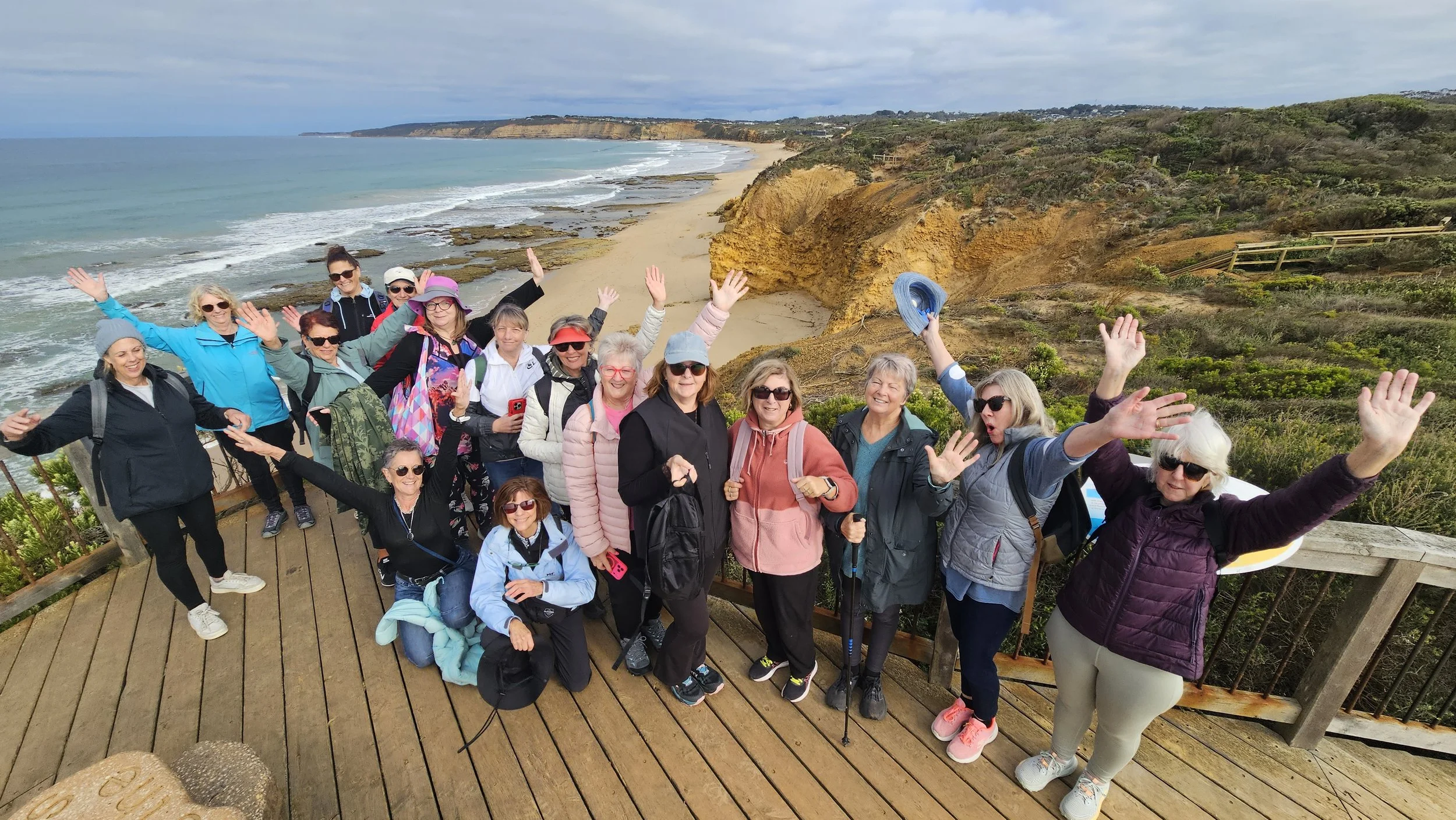
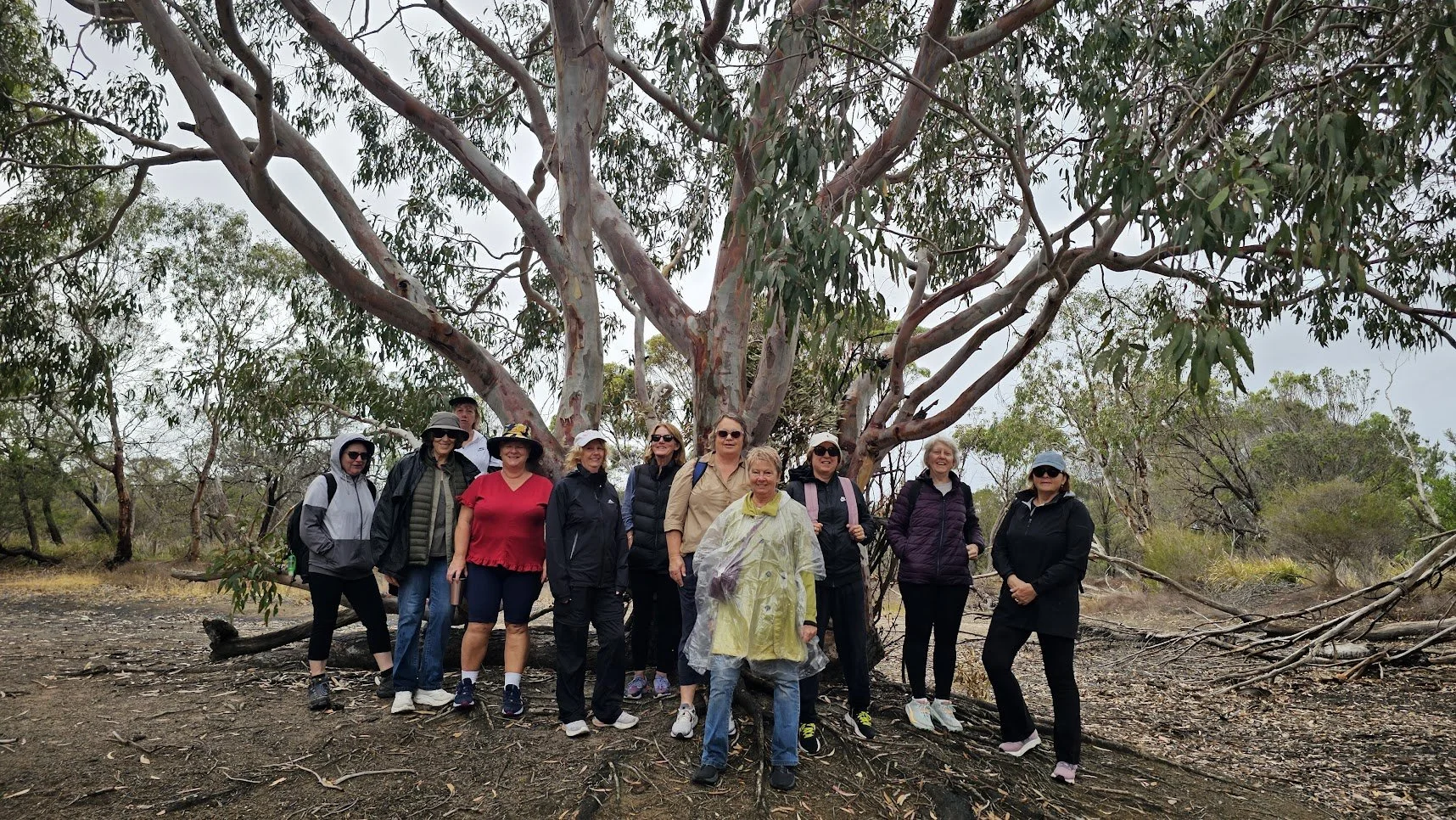
The introductory walk (2km) was a nice slow pace that I could talk to people, connect with nature, I felt welcome and it felt achievable. Now I think I could do anything up to 6km.
This supports what research tells us:
1. Psychological Safety
Women often feel more at ease in environments without the pressure of mixed-gender dynamics. A women-only space can reduce self-consciousness, fear of judgment, or unwanted attention—making it easier to relax and just be themselves.
2. Freedom to Go at Their Own Pace
Without comparison or pressure to “keep up,” women are more comfortable walking slowly, taking breaks, and listening to their bodies. This creates a more inclusive environment for all fitness levels.
3. Shared Lived Experience
There’s a natural sense of understanding and connection when people share similar life experiences. Conversations often flow more easily, and participants feel seen, heard, and understood.
4. Confidence to Show Up Solo
Joining something new alone can feel intimidating. Women are often more likely to attend solo when they know the group is designed specifically for them, reducing barriers to getting started.
5. Stronger Sense of Belonging
Women-only groups often foster a supportive, non-competitive atmosphere. This encourages genuine connection, friendships, and a feeling of being part of something—rather than just attending an activity.